
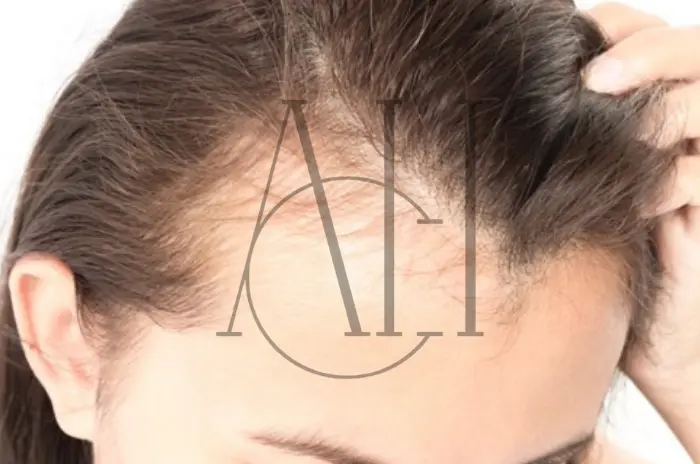
Traction alopecia is a common but often overlooked form of hair loss. It develops gradually and is usually caused by a constant tension on the hair follicles. Although the condition is reversible in the early stages, chronic traction alopecia can lead to permanent damage. Understanding the causes, recognizing the signs, and taking prompt action can make a big difference in the recovery process. This guide, developed with the support of a reliable intermediary organization such as Albania Hair, explores all aspects of traction alopecia and outlines the path to possible regrowth.
What is traction alopecia?
Traction alopecia is a type of hair loss caused by repeated pulling or tension on the hair shaft. Unlike genetic forms of alopecia, this condition is mechanical, that is, it is caused by external forces rather than internal biological changes.
Main features:
- Usually located around the hairline or temples
- It develops gradually over time
- Often associated with tight hairstyles
What causes traction alopecia?
Common causes include:
- Horsetails, bunion or braids that are too tight
- Extensions or weaves
- Repeated use of curlers or chemical ironing
- Headgear such as helmets or turbans
What are the signs and symptoms of permanent traction alopecia?
Sign/Symptom | Description |
Thinning of the hairline | Especially temples and forehead |
Redness and irritation | Often accompanied by pimples or peeling |
Breakage near the roots | Hair breaks instead of falling out normally |
No re-growth after months | May indicate follicular scarring or permanent damage |
What hairstyles can lead to traction alopecia?
- Tight braids (cornrows)
- Box braids
- Very narrow chignon or ponytails
- Dreadlocks
- Stitched or glued extensions
Style tips:
- Avoid scalp-pulling hairstyles
- Alternate style often
- Melt your hair before bed
Risk factors and symptoms
Risk factors:
- Afro or Afro-Caribbean hair
- Frequent use of tight hairstyles
- Repeated chemical treatments
- Scalp Conditions
Symptoms:
- Sore scalp
- Inflammation
- Thinning Zones near the Attachment
- Inflamed follicles or pustules
Does hair grow back after traction alopecia? Is it hereditary?
Yes, hair can grow back but only if the follicles are still alive. In the initial stages, stopping the cause of tension can promote natural regrowth.
However, if left untreated, traction alopecia can cause follicular scarring, making regrowth difficult or impossible. It is not a hereditary condition, but some people may be more susceptible depending on their hair type or skin sensitivity.
WHAT ARE THE SYMPTOMS OF SPONDYLOLISTHESIS?
- Persistent itching
- Receding hairline
- Miniature hair (short and broken)
- Thinning in the row area or at the top
Early diagnosis and intervention are key
Prevention
- Avoid tight or high-tension hairstyles
- Limit heat styling and chemical treatments
- Use protective but not narrow styles
- Take regular breaks between styles
- Treatment
- Hair transplant
Effective in advanced cases with irreversible loss. Healthy follicles are transplanted into the affected areas.
Prescribed medications
Your dermatologist may recommend:
- Minoxidil
- Topical corticosteroids
- Anti-inflammatory shampoos
Wigs and prosthetics
They may camouflage the affected areas during treatment.
Let your hair rest
The first fundamental step is to eliminate any source of traction.
How to treat alopecia totalis
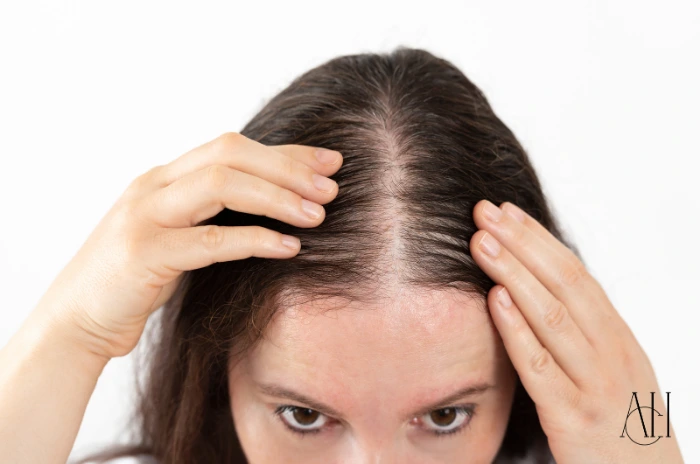
Alopecia totalis is a distinct autoimmune condition that involves complete loss of scalp hair. However, the treatment options are similar.
Corticosteroids
Injectable or topical to reduce inflammation.
Topical immunotherapy
Causes a controlled allergic reaction to stimulate growth.
Minoxidil (Rogaine)
Improves circulation and stimulates follicles.
Diphencyprone (DPCP)
Immunomodulator used in chronic cases.
UV phototherapy
Also known as PUVA, useful in severe autoimmune cases.
Tofacitinib
Oral JAK inhibitor showing promising results.
What does traction alopecia look like?
Stadium | Visible signs |
Initial | Thinning of the temples, slight redness |
Moderate | Obvious bald spots, broken hair |
Serious | Glossy scalp, absence of visible follicles |
Is the regrowth after traction alopecia uneven?
Yes. Regrowth can be:
- Irregular in density
- Slow in damaged areas
- Initially thin and fragile
What treatments help with regrowth after traction alopecia?
- Topical minoxidil
- Biotin and Iron Supplements
- Scalp massage with castor oil or rosemary
- Therapy PRP
- Microneedling (if recommended by the dermatologist)
What treatments promote rapid regrowth?
- Avoid tight hairstyles altogether
- Eat a diet rich in protein, zinc and vitamin D
- Use silk pillowcases to reduce friction
- Protect your hair from UV rays
- Sulfate-free shampoo
When to see a dermatologist?
Ask An Expert
- Loss continues despite change in style
- Noted scars or shiny areas on the scalp
- Pain, peeling or sores accompany the loss
- No re-growth after 3–6 months
How is traction alopecia diagnosed?
- Physical exam
- Hair Care Style History
- Skin biopsy in uncertain cases
- Dermoscopy (visual examination of the scalp)
How is traction alopecia treated?
- Mild: Change your style and care for your scalp
- Moderate: Add topical treatments and supplements
- Serious: Hair transplant may be needed
How long does it take to reverse traction alopecia?
- Mild cases: 3–6 months
- Moderate cases: 6–12 months
- Serious cases: They can be permanent without surgery
What to do if you can't reverse traction alopecia
- Consider medical wigs or prosthetics
- A hair transplantFUE or FUT)
- Consult an intermediary organization for aesthetic solutions and psychological support
FAQs for Genetic Hair Loss Explained: Causes, Myths and Treatments
It is normal to lose hair during 1. Is it normal to lose hair during pregnancy??
Yes, but not because of traction alopecia.
How can I treat hair loss during pregnancy?
With gentle care, supplements and professional advice.
How long does hair loss last after childbirth?
It usually resolves within 6–12 months.
What vitamins are helpful for hair loss in pregnancy?
Biotin, folic acid, iron, zinc.
What Causes Pregnant Hair Loss?
Hormonal changes, stress, nutritional deficiencies.
How can I prevent hair loss during pregnancy?
Balanced eating, stress management, avoid tight hairstyles.
What treatments are safe for hair loss in pregnancy?
Natural oils, prenatal vitamins, medical advice.